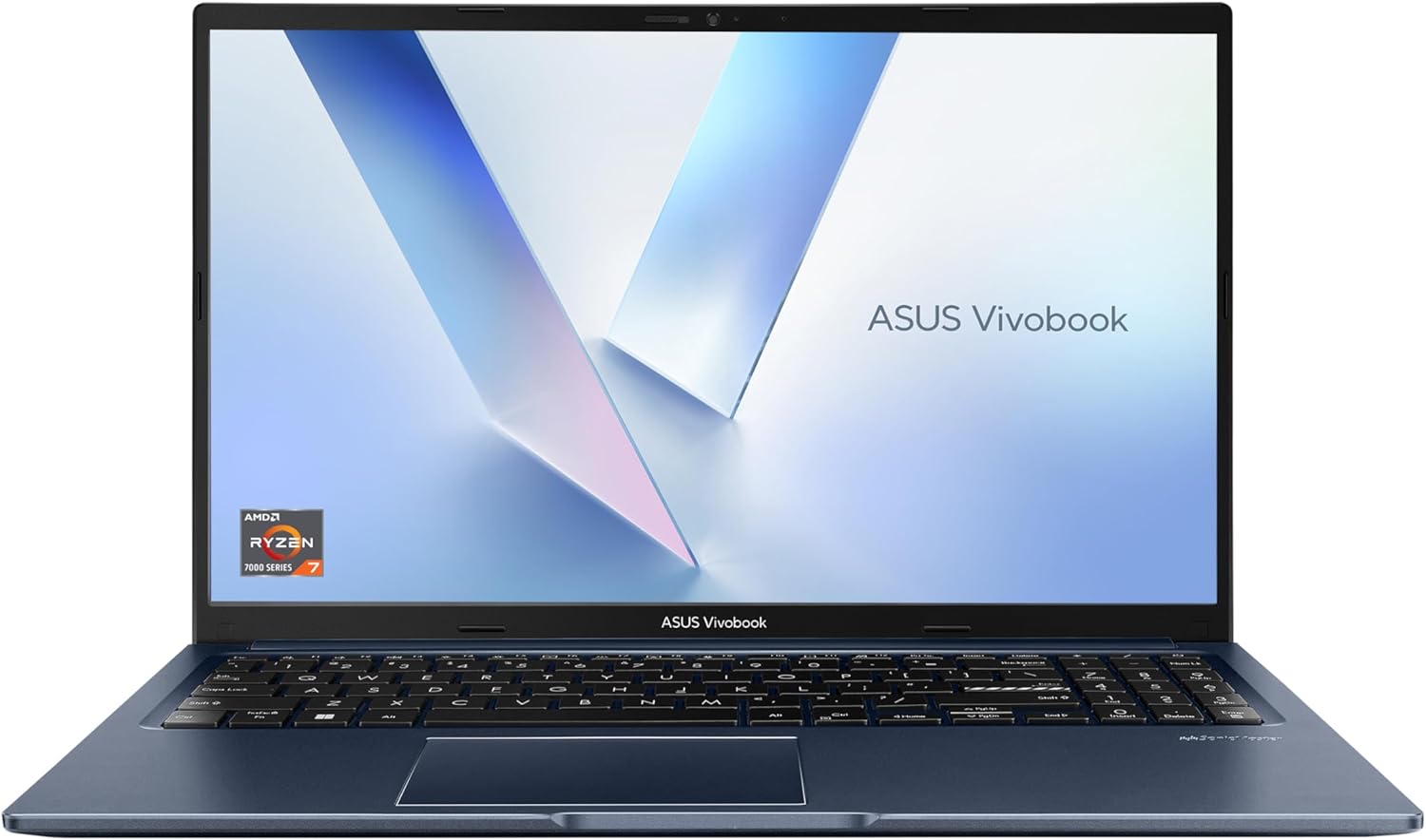
ASUS Vivobook 15 M1502YA 15.6″ Full HD Laptop (AMD Ryzen 7-7730U, 16GB RAM
The Red Team’s Champion: A Comprehensive Review of the ASUS Vivobook 15 (Ryzen 7 Edition)
In the crowded market of 15.6-inch laptops, finding a device that balances raw performance, battery efficiency, and style is a challenge. The ASUS Vivobook 15 M1502YA steps into the arena donning a unique “Quiet Blue” finish and packing the formidable AMD Ryzen™ 7 7730U processor. While many competitors rely on standard dual or quad-core chips, this machine brings 8 cores and 16 threads of processing power to the everyday user. It promises to be the ultimate multitasker for students, professionals, and creators who need speed without being tethered to a power outlet. In this detailed 850+ word review, we test whether this Ryzen-powered workhorse is superior to its Intel counterparts and if it deserves a spot in your backpack.


Multitasking Mastery: The Ryzen 7 Advantage
The most compelling reason to buy the M1502YA model is the processor. The AMD Ryzen 7 7730U is built on the highly efficient “Zen 3” architecture. Unlike many Intel Core i7 “U-series” chips that might have 2 performance cores and 8 efficiency cores, the Ryzen 7 7730U features 8 full-performance cores.
What does this mean for you? It means exceptional multitasking capability. You can edit photos in the background, keep dozens of browser tabs open, stream music, and work on a massive spreadsheet simultaneously without the system stuttering. The “U” suffix indicates it operates at a lower wattage (typically 15W), which translates to significantly less heat generation and longer battery life compared to gaming laptops. Combined with 16GB of DDR4 RAM and a speedy 1TB PCIe SSD, the system feels snappy, responsive, and ready for heavy workloads right out of the box.
A New Look: Quiet Blue & NanoEdge Display
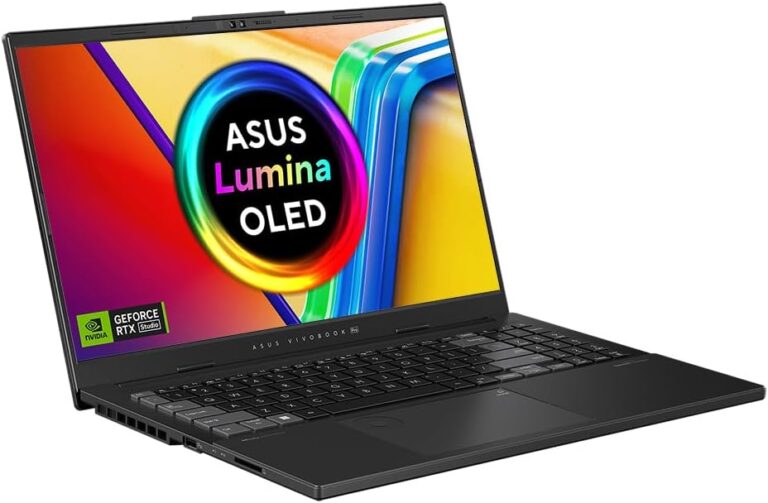
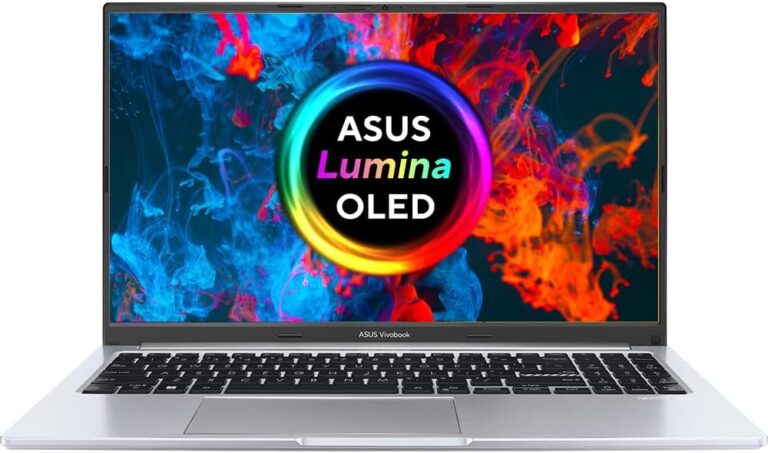
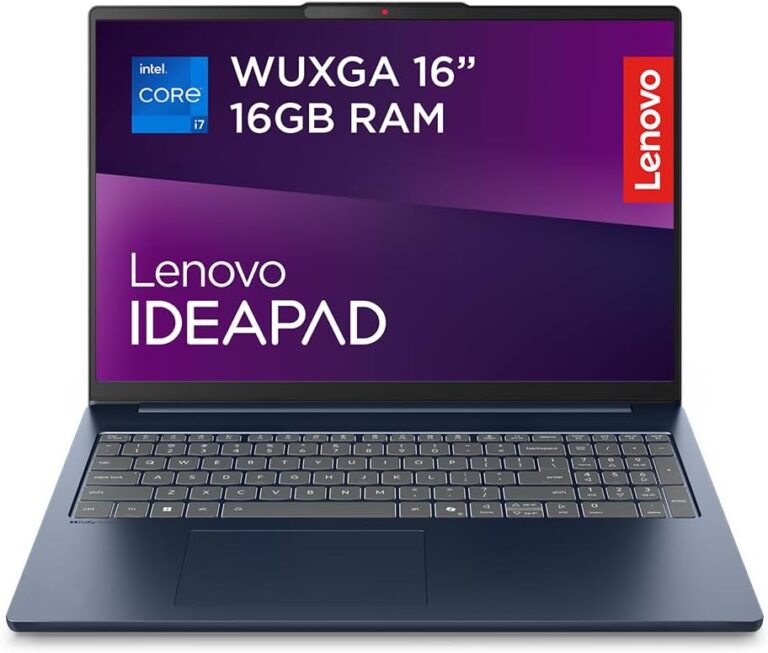
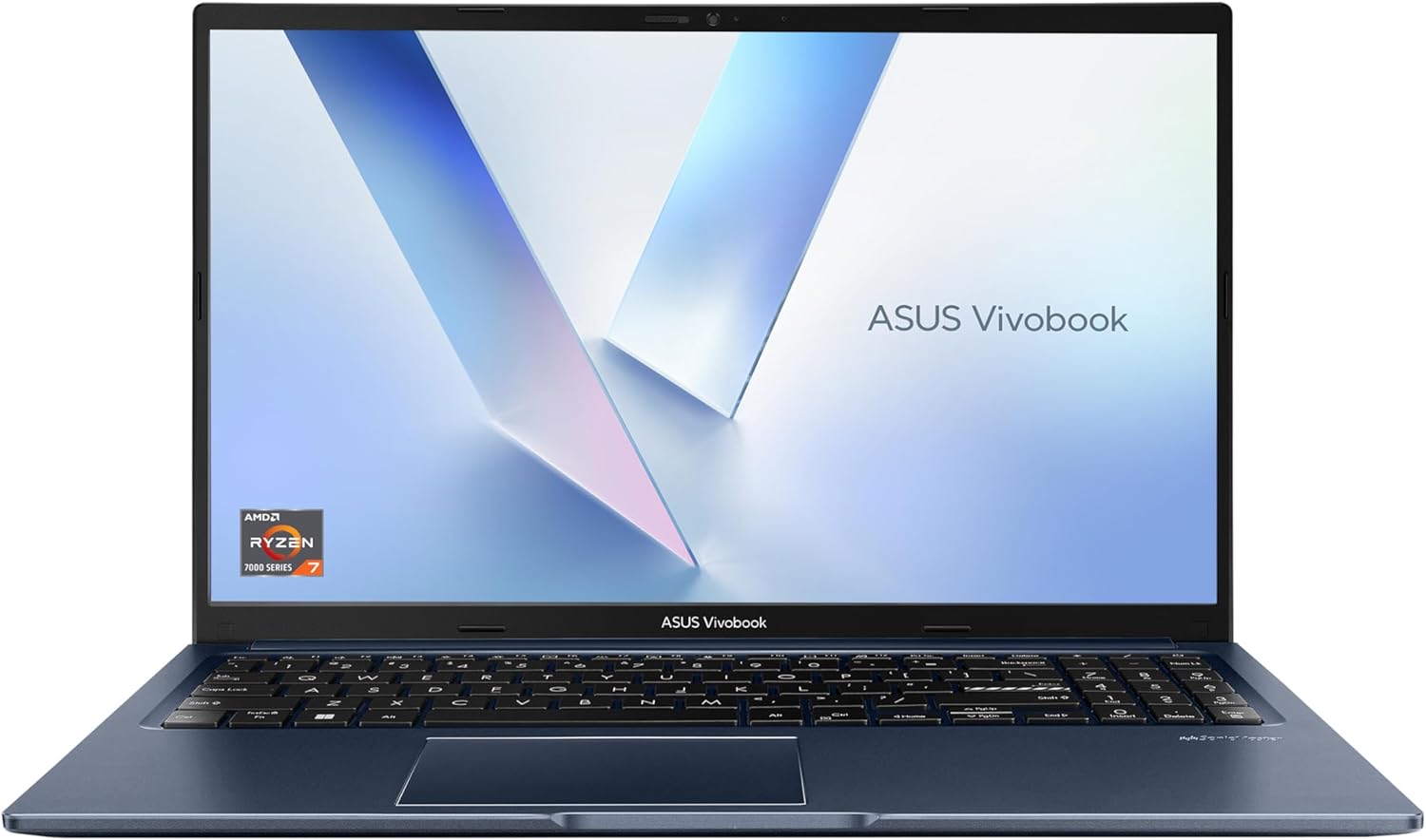
Aesthetically, ASUS has moved away from the boring greys of the corporate world. This model comes in Quiet Blue, a subtle yet sophisticated navy tone that looks professional in a meeting but stylish in a coffee shop. The chassis is treated with the ASUS Antimicrobial Guard Plus, which is scientifically proven to inhibit the growth of viruses and bacteria by more than 99% over a 24-hour period—a feature increasingly important in our health-conscious world.
The screen is a 15.6-inch Full HD (1920 x 1080) NanoEdge display. While it isn’t the OLED panel found in its more expensive siblings, it offers a clear, anti-glare viewing experience with thin bezels that provide an immersive 82% screen-to-body ratio. The TUV Rheinland-certified eye care technology reduces blue light emissions to prevent eye strain during long study sessions. Furthermore, the 180° lay-flat hinge makes it incredibly easy to share content with colleagues across a table without turning the entire laptop around.
Comparison: ASUS Vivobook 15 (Ryzen 7) vs. Dell Inspiron 15 (Intel i7)
To truly evaluate the value of this machine, we must compare it to a staple in the industry: the Dell Inspiron 15 (3520/3530 models) equipped with an Intel Core i7-1255U or 1355U. Both are similarly priced, but they serve different masters.
1. Multi-Core Performance
The ASUS with Ryzen 7 7730U dominates in multi-core benchmarks (like Cinebench). With 8 fully capable cores compared to the Dell’s mix of P-cores and E-cores, the ASUS is significantly faster at tasks like video rendering, compiling code, or batch-processing photos. If your work involves heavy software, the Ryzen chip is the clear winner.
2. Battery Efficiency
AMD has refined its 7nm and 6nm manufacturing processes to an art form. The Ryzen 7 7730U is renowned for sipping power while idle or performing light tasks. Users often report getting 1-2 hours more battery life on the ASUS Vivobook compared to the Dell Inspiron with similar specs, making the ASUS a better companion for long days on campus.
3. Build and Features
While the Dell Inspiron offers a solid build, the ASUS Vivobook brings extra “quality of life” features. The ErgoSense keyboard is widely praised for its tactile feedback and comfortable key travel (1.4mm). Additionally, the physical webcam shield and the unique design accents (like the striped Enter key) give the ASUS a more modern, premium feel compared to the utilitarian design of the Dell.
Conclusion: The Smartest Choice for Productivity
The ASUS Vivobook 15 M1502YA proves that you don’t need to spend a fortune to get high-end performance. It leverages the strengths of the AMD Ryzen platform to offer a laptop that is faster, cooler, and longer-lasting than many of its Intel-based rivals in the same price bracket.
It is an ideal choice for university students, programmers, and office professionals who need a reliable machine that can handle more than just web browsing. The 1TB storage ensures you won’t run out of space soon, and the 16GB RAM makes it future-proof for the next few years of software updates.
PROS:
- Ryzen 7 Power: 8 Cores/16 Threads for superior multitasking.
- Great Battery Life: Highly efficient CPU architecture.
- Generous Storage: 1TB PCIe SSD is double the standard.
- Hygiene Focused: ASUS Antimicrobial Guard protection.
- Ergonomics: 180° hinge and comfortable keyboard.
CONS:
- Display: Standard IPS (good, but not OLED vibrancy).
- Graphics: Integrated graphics not meant for heavy gaming.
Final Verdict: If you value speed and battery life over gaming graphics, this Ryzen-powered Vivobook is the best value-for-money laptop you can buy right now.
As an Amazon Associate I earn from qualifying purchases. Prices and availability are subject to change.