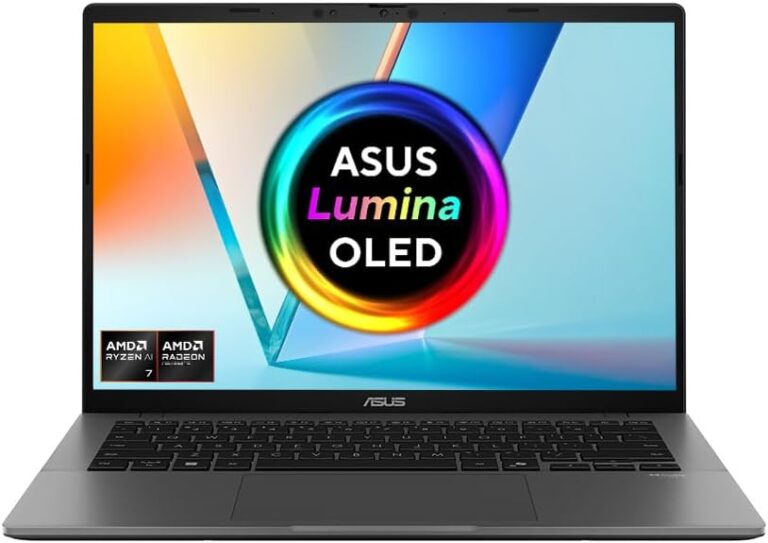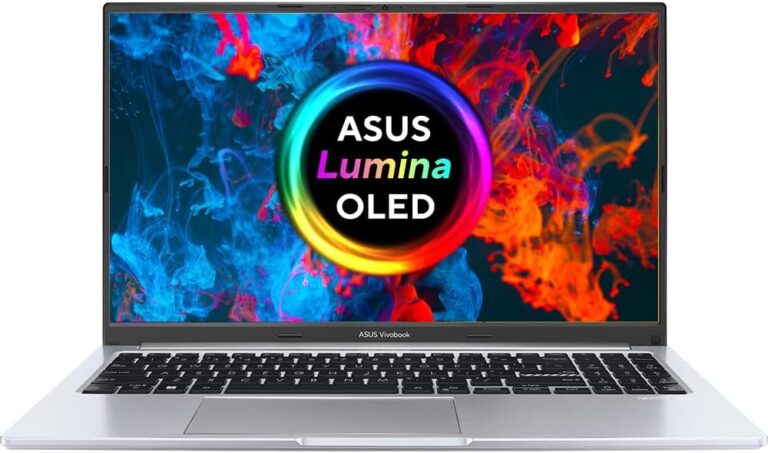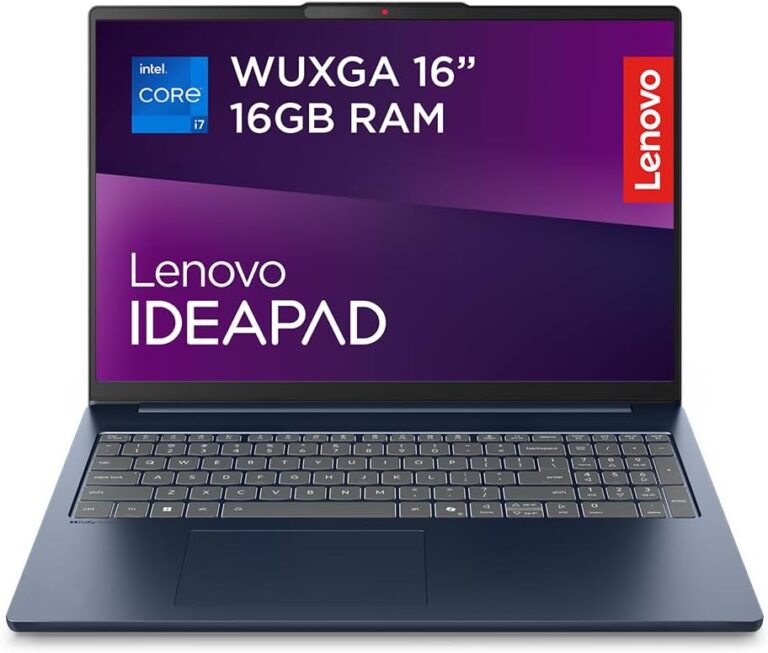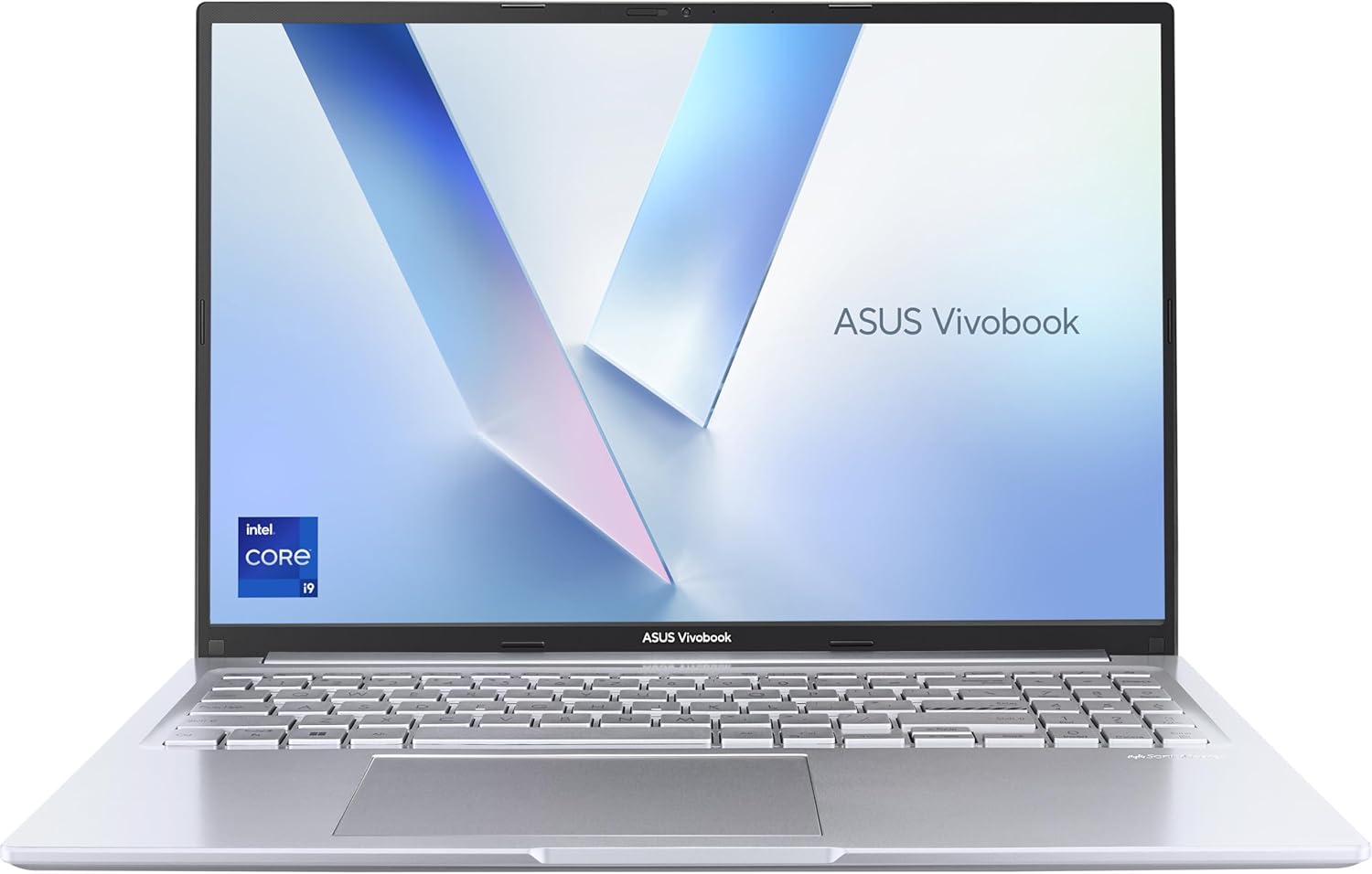
ASUS Vivobook 16 X1605VA Laptop | 16.0″ WUXGA 16:10 Screen | Intel Core i9-13900H | 16GB RAM
A Wolf in Sheep’s Clothing: Reviewing the ASUS Vivobook 16 (X1605VA) with Intel Core i9
Usually, when you see a slim, silver office laptop, you expect a modest processor designed for spreadsheets and emails. The ASUS Vivobook 16 X1605VA shatters that expectation. Hidden inside this sleek, understated chassis is the ferocious Intel Core i9-13900H, a processor typically reserved for high-end gaming rigs and mobile workstations. This combination creates a unique “sleeper” laptop: professional enough for the boardroom, yet powerful enough for heavy content creation, coding, and multitasking. In this comprehensive 850+ word review, we analyze how this massive boost in processing power changes the game for the Vivobook series and compare it against the competition to see if it’s the ultimate productivity value king.


Unprecedented Power: The i9-13900H Advantage
The headline feature of this specific configuration is undoubtedly the CPU. The Intel Core i9-13900H is a 14-core monster (6 Performance-cores and 8 Efficient-cores) with a turbo frequency that can reach up to 5.40 GHz. To put this in perspective, most laptops in the “Vivobook” price range come equipped with i5 or i7 “U” or “P” series chips, which are prioritized for battery life over raw speed.
By integrating an “H-Series” (High Performance) chip, ASUS has transformed this laptop into a mobile powerhouse. This means tasks that usually bog down a standard office laptop—such as rendering 4K video, compiling massive blocks of code, running complex data simulations, or having 50+ Chrome tabs open while Photoshop runs in the background—are handled with ease. The 16GB of RAM and fast 1TB PCIe SSD ensure that the system remains snappy, feeding data to that hungry processor without bottlenecks. For creators on a budget who don’t want the flashy RGB aesthetic of a gaming laptop, this is a dream configuration.
Visuals and Usability: The 16:10 Experience
The screen is where productivity lives. The ASUS Vivobook 16 features a 16.0-inch WUXGA (1920 x 1200) display. While many laptops still stick to the traditional 16:9 aspect ratio (1920 x 1080), this laptop adopts the modern 16:10 aspect ratio. That extra vertical space might seem small on paper, but in practice, it is significant. It allows you to see more rows in an Excel spreadsheet, more lines of code in your editor, or more of a webpage without scrolling.
The design also focuses on hygiene and durability. It features the ASUS Antimicrobial Guard, a special surface treatment that inhibits the growth of bacteria by more than 99% over a 24-hour period—a thoughtful touch for a device you touch constantly. The 180-degree lay-flat hinge allows for easy content sharing during meetings, and the physical webcam shield ensures your privacy is never compromised. The keyboard is a UK Layout Backlit model, providing comfortable typing even in dimly lit environments.
Comparison: ASUS Vivobook 16 (i9) vs. Dell Inspiron 16 (i7)
To truly understand the value of this ASUS, let’s compare it to a very popular competitor in the same category: the standard Dell Inspiron 16 (5630 series), which typically comes with an Intel Core i7-1360P.
1. Processing Power
The Dell Inspiron 16 usually utilizes the “P-series” processor (e.g., i7-1360P). This is a balanced chip designed for thin chassis. However, the ASUS Vivobook 16’s i9-13900H is in a completely different league. In multi-core benchmarks (like Cinebench), the i9-13900H can perform up to 40-50% faster than the i7-1360P. If your work involves heavy processing, the ASUS wins hands down.
2. Thermal Management
Putting an i9 in a slim chassis is a bold move. The ASUS Vivobook uses IceCool thermal technology with upgraded heat pipes and an IceBlade fan to manage this heat. While the Dell Inspiron runs quieter and cooler due to its less powerful chip, the ASUS manages to sustain higher performance for longer, making it the superior choice for “burst” workloads.
3. Value Proposition
Typically, to get an i9 processor, you would have to look at gaming laptops that cost significantly more and weigh much more. The Dell Inspiron is a fantastic all-rounder, but the ASUS Vivobook 16 offers workstation-class performance at a mid-range price point. You are essentially paying for the engine of a Ferrari in the body of a Sedan.
Conclusion: Who is this Laptop For?
The ASUS Vivobook 16 X1605VA is a disruptive device. It challenges the notion that high-performance H-series processors are only for gamers. By placing an Intel Core i9 inside a professional, silver chassis, ASUS has created the ultimate tool for the “Power User on a Budget.”
It is perfect for programmers, video editors, data analysts, and students in engineering fields who need raw power but don’t want to carry a heavy, flashy gaming laptop to class or the office. While it lacks a dedicated GPU for high-end gaming (it relies on Intel Iris Xe graphics), its CPU performance is unmatched in its price bracket.
PROS:
- Incredible CPU: i9-13900H offers desktop-like speeds.
- Productivity Screen: 16:10 WUXGA offers great workspace.
- Design: 180° hinge and physical privacy shield.
- Hygiene: ASUS Antimicrobial Guard protection.
- Value: Hard to find this much CPU power at this price.
CONS:
- Graphics: Integrated graphics limits AAA gaming.
- Battery: H-series CPU consumes more power than U-series.
Final Verdict: The absolute best choice for users who prioritize processing speed and productivity above all else.
As an Amazon Associate I earn from qualifying purchases. Prices and availability are subject to change.